
Medicine expiry is one of the most common challenges faced by healthcare institutions. Expired medicines not only result in financial losses but can also create inventory management issues and compliance risks. Therefore, learning how to reduce medicine expiry losses in hospital pharmacy operations is essential for improving efficiency, reducing waste, and maintaining patient safety.
Effective hospital pharmacy inventory management helps healthcare facilities maintain optimal stock levels while minimizing expired medicines. By implementing proper inventory control systems, demand forecasting, and stock monitoring practices, hospitals can significantly reduce medicine wastage and improve overall pharmacy performance.
In this guide, we will explore practical strategies to reduce medicine expiry losses in hospital pharmacy settings and strengthen pharmaceutical inventory management.
Why Medicine Expiry Losses Occur in Hospital Pharmacies
Before implementing solutions, it is important to understand the causes of medicine expiry losses.
Common reasons include:
- Overstocking of medicines
- Poor demand forecasting
- Inadequate inventory monitoring
- Lack of expiry tracking systems
- Inefficient procurement planning
- Slow-moving inventory
- Poor stock rotation practices
Without effective pharmacy inventory control, hospitals often accumulate medicines that expire before they can be used.
Financial Impact of Medicine Expiry Losses
Medicine expiry directly affects hospital profitability.
Expired medicines can lead to:
- Increased inventory costs
- Higher procurement expenses
- Reduced cash flow
- Inventory storage inefficiencies
- Regulatory compliance concerns
Implementing strategies to reduce medicine expiry losses in hospital pharmacy operations can result in substantial cost savings and improved resource utilization.
Implement a Strong Inventory Management System
One of the most effective ways to reduce medicine expiry losses in hospital pharmacy environments is by adopting a robust inventory management system.
Modern hospital pharmacy inventory management software helps track:
- Stock levels
- Batch numbers
- Expiry dates
- Inventory movement
- Reorder points
Real-time visibility enables pharmacy teams to identify medicines approaching expiry and take corrective action.
Follow FEFO Inventory Management
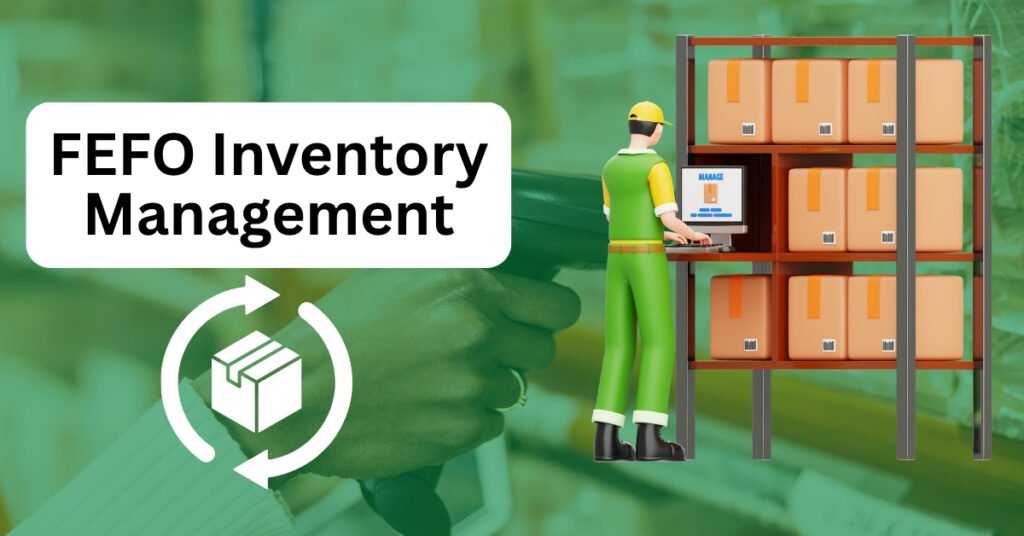
First Expiry, First Out (FEFO)
FEFO is a widely used inventory management principle that prioritizes dispensing medicines with the nearest expiry date first.
Benefits of FEFO include:
- Reduced medicine wastage
- Better inventory utilization
- Improved stock rotation
- Lower expiry-related losses
Every hospital pharmacy should implement FEFO practices to reduce medicine expiry losses in hospital pharmacy operations.
Improve Demand Forecasting
Accurate demand forecasting plays a crucial role in medicine expiry management.
Hospitals should analyze:
- Historical consumption patterns
- Seasonal demand variations
- Patient volume trends
- Treatment protocols
Data-driven forecasting helps prevent overstocking and supports efficient procurement planning.
Optimize Procurement Practices
Poor procurement decisions often contribute to medicine expiry losses.
Effective pharmacy procurement management should focus on:
- Purchasing based on actual demand
- Avoiding bulk purchases of slow-moving medicines
- Regular vendor coordination
- Monitoring stock consumption rates
Optimized procurement is essential to reduce medicine expiry losses in hospital pharmacy settings.
Conduct Regular Inventory Audits
Routine inventory audits help identify medicines nearing expiry before they become unusable.
Benefits include:
- Improved inventory accuracy
- Early detection of slow-moving stock
- Better expiry monitoring
- Enhanced compliance
Monthly inventory reviews should be a standard part of hospital inventory control processes.
Use Automated Expiry Alerts
Technology can significantly improve medicine expiry tracking.
Modern pharmacy systems provide:
- Automated expiry notifications
- Batch-wise tracking
- Real-time inventory monitoring
- Dashboard reporting
Automated alerts allow pharmacy teams to take timely action and minimize losses.
Monitor Slow-Moving Medicines
Some medicines may have lower demand and remain in inventory for extended periods.
Hospitals should regularly identify:
- Slow-moving stock
- Rarely prescribed medicines
- Excess inventory
Monitoring these items helps healthcare facilities make informed procurement decisions and reduce medicine expiry losses in hospital pharmacy operations.
Strengthen Interdepartmental Coordination
Effective communication between pharmacy, procurement, and clinical departments is essential.
Collaboration helps:
- Improve medicine utilization
- Optimize purchasing decisions
- Reduce unnecessary stock accumulation
- Enhance inventory planning
Strong coordination supports efficient hospital pharmacy management.
Train Pharmacy Staff
Staff awareness is critical for successful pharmacy inventory control.
Training programs should cover:
- Expiry date monitoring
- FEFO implementation
- Inventory tracking procedures
- Procurement best practices
- Compliance requirements
Well-trained pharmacy teams contribute significantly to reducing medicine wastage.
Leverage Technology for Inventory Optimization
Technology-driven pharmaceutical inventory management systems offer advanced capabilities such as:
- Artificial Intelligence forecasting
- Automated stock replenishment
- Barcode scanning
- RFID tracking
- Analytics dashboards
These tools improve inventory visibility and help healthcare organizations reduce medicine expiry losses in hospital pharmacy operations more effectively.
Benefits of Reducing Medicine Expiry Losses
Implementing effective expiry management practices offers several advantages:
Reduced Inventory Costs
Lower expiry losses improve financial performance.
Better Medicine Availability
Optimized inventory ensures essential medicines remain available when needed.
Improved Patient Care
Accurate inventory management supports uninterrupted treatment.
Enhanced Regulatory Compliance
Proper tracking and documentation improve compliance with pharmaceutical regulations.
Increased Operational Efficiency
Efficient inventory processes reduce administrative workload and improve productivity.
Future of Medicine Expiry Management in Hospital Pharmacies
The future of hospital pharmacy inventory management will be increasingly driven by technology.
Emerging innovations include:
- AI-powered demand forecasting
- Predictive inventory analytics
- Smart inventory dashboards
- Cloud-based pharmacy management systems
- IoT-enabled inventory monitoring
These technologies will further help healthcare organizations reduce medicine expiry losses in hospital pharmacy operations while improving efficiency and patient outcomes.
Conclusion
Learning how to reduce medicine expiry losses in hospital pharmacy operations is essential for improving financial performance, inventory efficiency, and patient care. By implementing FEFO practices, improving demand forecasting, leveraging technology, conducting regular audits, and strengthening inventory control, hospitals can significantly reduce medicine wastage.
A proactive approach to medicine expiry management not only minimizes losses but also enhances operational excellence and ensures the availability of essential medicines for patients.
FAQs
1. What causes medicine expiry losses in hospital pharmacies?
Common causes include overstocking, poor demand forecasting, inadequate inventory monitoring, and weak procurement practices.
2. How can hospitals reduce medicine expiry losses?
Hospitals can reduce losses through FEFO implementation, inventory audits, demand forecasting, automated expiry alerts, and optimized procurement.
3. What is FEFO in hospital pharmacy inventory management?
FEFO stands for First Expiry, First Out. It ensures medicines with the earliest expiry dates are used first.
4. Why is inventory management important in reducing medicine wastage?
Effective inventory management helps track stock levels, monitor expiry dates, and prevent overstocking.
5. How does technology help reduce medicine expiry losses?
Technology provides real-time inventory visibility, automated alerts, forecasting tools, and expiry tracking systems.
6. What role does demand forecasting play in medicine expiry management?
Demand forecasting helps hospitals purchase the right quantities of medicines and avoid excess inventory.
7. What are the benefits of reducing medicine expiry losses in hospital pharmacy?
Benefits include lower costs, better inventory utilization, improved patient care, enhanced compliance, and greater operational efficiency.