
Contact us
We will resolve your inquiry within 24 hours.
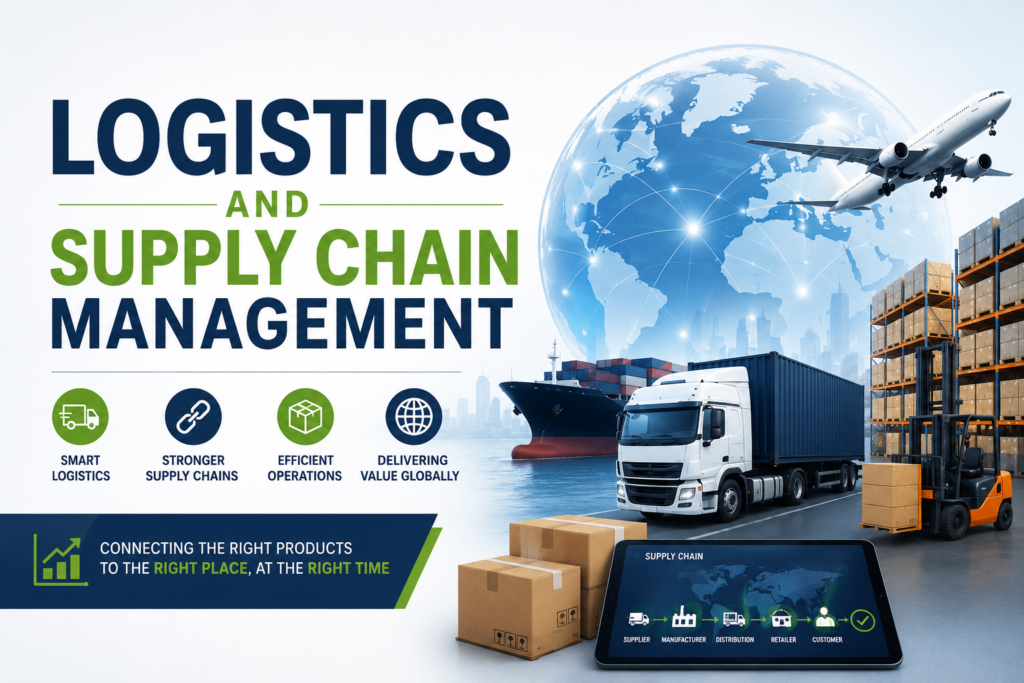
Introduction
The pharmaceutical industry depends heavily on efficient logistics and supply chain management systems to ensure medicines reach patients safely and on time. Effective supply chain management plays a crucial role in maintaining medicine availability, optimizing inventory, reducing operational costs, and ensuring regulatory compliance.
As healthcare demands continue to rise, pharmaceutical companies are investing in advanced logistics and supply chain management technologies to improve efficiency and strengthen healthcare delivery systems. From sourcing raw materials to distributing medicines to hospitals and pharmacies, every stage relies on well-planned supply chain management practices.
What is Logistics and Supply Chain Management in the Pharmaceutical Industry?
Logistics and supply chain management in the pharmaceutical industry refers to the planning, coordination, and execution of activities involved in moving medicines, healthcare products, and raw materials from manufacturers to end users.
Effective supply chain management includes:
- Raw material procurement
- Pharmaceutical manufacturing
- Inventory management
- Warehousing
- Transportation and logistics
- Distribution management
- Retail pharmacy supply
- Hospital medicine delivery
A strong logistics and supply chain management strategy ensures product quality, timely delivery, and operational efficiency throughout the pharmaceutical ecosystem.
Importance of Logistics and Supply Chain Management in Pharmaceuticals
Efficient logistics and supply chain management directly impacts healthcare outcomes and patient satisfaction. Proper supply chain management helps pharmaceutical companies maintain consistent medicine availability while reducing risks and costs.
Ensures Medicine Availability
One of the primary goals of supply chain management is to ensure uninterrupted access to medicines across hospitals, pharmacies, and healthcare facilities.
Benefits include:
- Reduced stockouts
- Timely replenishment
- Improved demand planning
- Better patient care
Improves Inventory Control
Advanced logistics and supply chain management systems help organizations maintain optimal inventory levels while minimizing wastage.
Benefits include:
- Real-time inventory visibility
- Batch tracking
- Expiry monitoring
- Automated stock alerts
Reduces Operational Costs
Efficient supply chain management minimizes unnecessary procurement, storage, and transportation expenses.
Organizations benefit through:
- Lower inventory holding costs
- Better vendor negotiations
- Reduced wastage
- Improved profitability
Supports Regulatory Compliance
The pharmaceutical sector operates under strict regulations. Effective logistics and supply chain management helps organizations comply with safety, storage, and transportation standards.
Key Components of Logistics and Supply Chain Management
Procurement Management
Procurement is a critical part of supply chain management. It involves sourcing quality raw materials and medicines from reliable suppliers.
Effective procurement helps:
- Improve supplier relationships
- Reduce supply disruptions
- Control purchasing costs
- Maintain product quality
Inventory Management
Inventory management is one of the most important functions of logistics and supply chain management.
Modern systems offer:
- Real-time stock tracking
- Demand forecasting
- Automated replenishment
- Inventory optimization
Warehousing and Storage
Proper warehousing is essential for successful supply chain management in pharmaceuticals.
Benefits include:
- Safe medicine storage
- Temperature control
- Reduced product damage
- Better stock organization
Transportation and Logistics
Transportation is a core element of logistics and supply chain management.
Efficient logistics operations focus on:
- Route optimization
- On-time deliveries
- Shipment tracking
- Cost reduction
Distribution Management
Effective distribution strengthens overall supply chain management by ensuring medicines reach healthcare providers quickly and safely.
Challenges in Logistics and Supply Chain Management
Although technology has improved pharmaceutical operations, several challenges remain.
Counterfeit Medicines
Counterfeit drugs continue to threaten global healthcare systems. Strong logistics and supply chain management practices help improve traceability and product authentication.
Cold Chain Management Issues
Many pharmaceutical products require temperature-controlled transportation.
Poor supply chain management can result in:
- Product damage
- Reduced effectiveness
- Compliance violations
Inventory Imbalances
Without proper logistics and supply chain management, organizations often face:
- Overstocking
- Understocking
- Expired medicines
- Increased costs
Regulatory Compliance Challenges
Healthcare regulations require continuous monitoring and documentation throughout the supply chain management process.
Supply Chain Disruptions
Unexpected disruptions can affect every aspect of logistics and supply chain management, leading to delays and shortages.

Role of Technology in Logistics and Supply Chain Management
Technology is revolutionizing logistics and supply chain management in the pharmaceutical sector.
Key technologies include:
- Artificial Intelligence (AI)
- Cloud-based inventory systems
- RFID tracking
- Barcode scanning
- IoT-enabled monitoring
- Real-time analytics
- Automated procurement platforms
These innovations improve visibility, accuracy, and efficiency across the entire supply chain management network.
Benefits of Effective Logistics and Supply Chain Management
Organizations that invest in advanced logistics and supply chain management systems experience significant benefits.
Improved Medicine Availability
Efficient supply chain management reduces shortages and improves healthcare service continuity.
Reduced Medicine Wastage
Advanced tracking systems help prevent losses caused by expired inventory.
Increased Operational Efficiency
Automation simplifies complex logistics and supply chain management processes.
Faster Deliveries
Optimized transportation networks improve medicine distribution speed and reliability.
Better Patient Outcomes
Reliable supply chain management ensures patients receive the medicines they need without delays.
Importance of Cold Chain Logistics and Supply Chain Management
Cold chain operations are a specialized component of logistics and supply chain management.
Products such as:
- Vaccines
- Insulin
- Biologics
- Specialty medicines
require controlled environments throughout the supply chain management process.
Modern cold chain solutions include:
- IoT sensors
- GPS tracking
- Temperature monitoring
- Automated alerts
Future of Logistics and Supply Chain Management in Pharmaceuticals
The future of logistics and supply chain management is increasingly digital and data-driven.
Emerging trends include:
- AI-powered forecasting
- Blockchain-based traceability
- Predictive inventory management
- Smart warehouses
- Robotics automation
- Autonomous deliveries
- Integrated healthcare supply networks
Organizations embracing modern supply chain management technologies will gain a competitive advantage in the evolving pharmaceutical market.
Conclusion
Effective logistics and supply chain management is the backbone of the pharmaceutical industry. Strong supply chain management practices help ensure medicine availability, improve inventory control, reduce operational costs, and support regulatory compliance.
As healthcare systems become more complex, pharmaceutical organizations must continue investing in modern logistics and supply chain management solutions to enhance operational efficiency and improve patient outcomes. Companies that optimize their supply chain management strategies today will be better positioned for long-term growth and healthcare excellence.
FAQs
1. What is logistics and supply chain management in the pharmaceutical industry?
Logistics and supply chain management in the pharmaceutical industry involves planning, sourcing, storing, transporting, and distributing medicines and healthcare products from manufacturers to hospitals, pharmacies, and patients. Effective supply chain management ensures medicines are available when and where they are needed.
2. Why is supply chain management important for pharmaceutical companies?
Supply chain management helps pharmaceutical companies maintain medicine availability, optimize inventory levels, reduce operational costs, ensure regulatory compliance, and improve patient care. A strong logistics and supply chain management system also minimizes delays and medicine shortages.
3. What are the key components of logistics and supply chain management?
The major components of logistics and supply chain management include:
- Procurement management
- Inventory management
- Warehousing and storage
- Transportation and logistics
- Distribution management
- Demand forecasting
- Regulatory compliance
Together, these processes strengthen overall supply chain management performance.
4. What challenges affect pharmaceutical supply chain management?
Common challenges in supply chain management include:
- Counterfeit medicines
- Cold chain management issues
- Inventory imbalances
- Transportation delays
- Regulatory compliance requirements
- Global supply chain disruptions
Effective logistics and supply chain management strategies help organizations overcome these challenges.
5. How does technology improve logistics and supply chain management?
Modern technologies improve logistics and supply chain management through:
- AI-powered demand forecasting
- Real-time inventory tracking
- RFID and barcode systems
- Cloud-based supply chain platforms
- IoT-enabled monitoring
- Automated procurement systems
These tools enhance visibility, efficiency, and accuracy across the entire supply chain management process.
6. What is cold chain management in pharmaceutical logistics?
Cold chain management is a specialized area of logistics and supply chain management that ensures temperature-sensitive medicines, vaccines, insulin, and biologics remain within required temperature ranges during storage and transportation. Proper cold chain practices are essential for maintaining product quality and safety.
7. What is the future of logistics and supply chain management in the pharmaceutical industry?
The future of logistics and supply chain management is driven by digital transformation and automation. Emerging trends include:
- Artificial Intelligence (AI)
- Blockchain-based traceability
- Smart warehouses
- Predictive inventory management
- Robotics and automation
- Real-time supply chain analytics
These innovations are expected to make supply chain management more efficient, transparent, and patient-focused.
8. How can pharmaceutical companies reduce medicine wastage through supply chain management?
Pharmaceutical companies can reduce wastage by implementing effective supply chain management practices such as:
- Real-time inventory monitoring
- Expiry date tracking
- Demand forecasting
- Automated stock replenishment
- Inventory optimization strategies
Strong logistics and supply chain management systems help minimize expired stock and improve operational efficiency.
9. How does logistics and supply chain management improve healthcare delivery?
Efficient logistics and supply chain management ensures timely medicine availability, faster distribution, accurate inventory control, and uninterrupted healthcare services. This directly supports better treatment outcomes and enhances the overall patient experience.
10. What are the benefits of effective logistics and supply chain management in pharmaceuticals?
Benefits of effective logistics and supply chain management include:
- Improved medicine availability
- Reduced operational costs
- Better inventory control
- Faster deliveries
- Enhanced regulatory compliance
- Lower medicine wastage
- Improved patient care
Strong supply chain management ultimately contributes to a more reliable and efficient healthcare system.